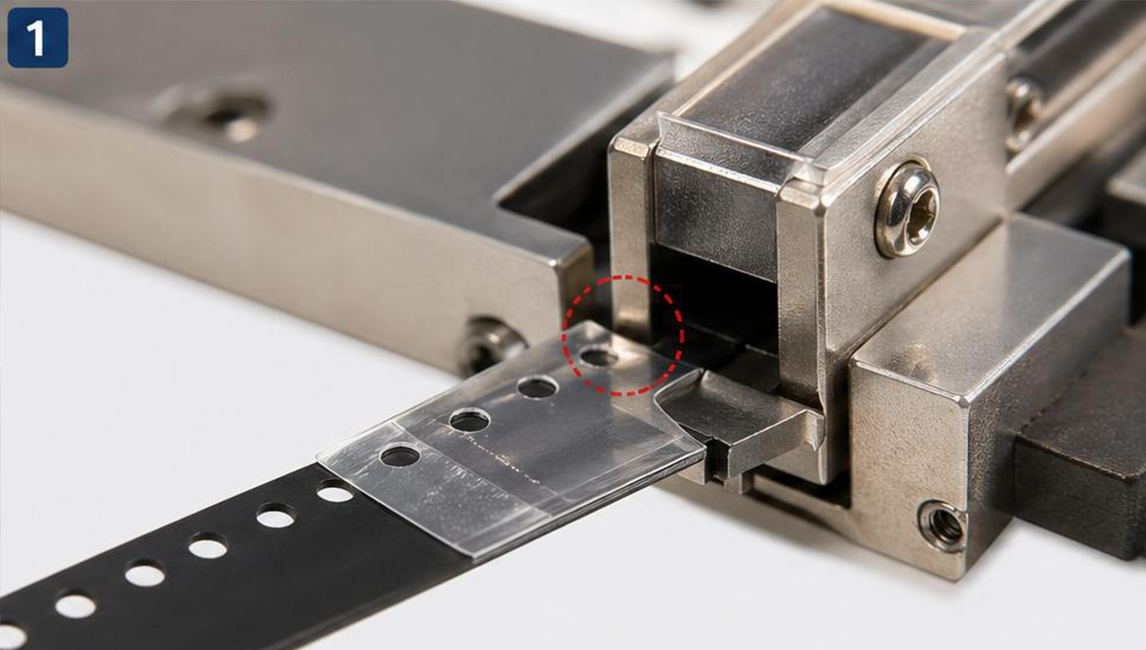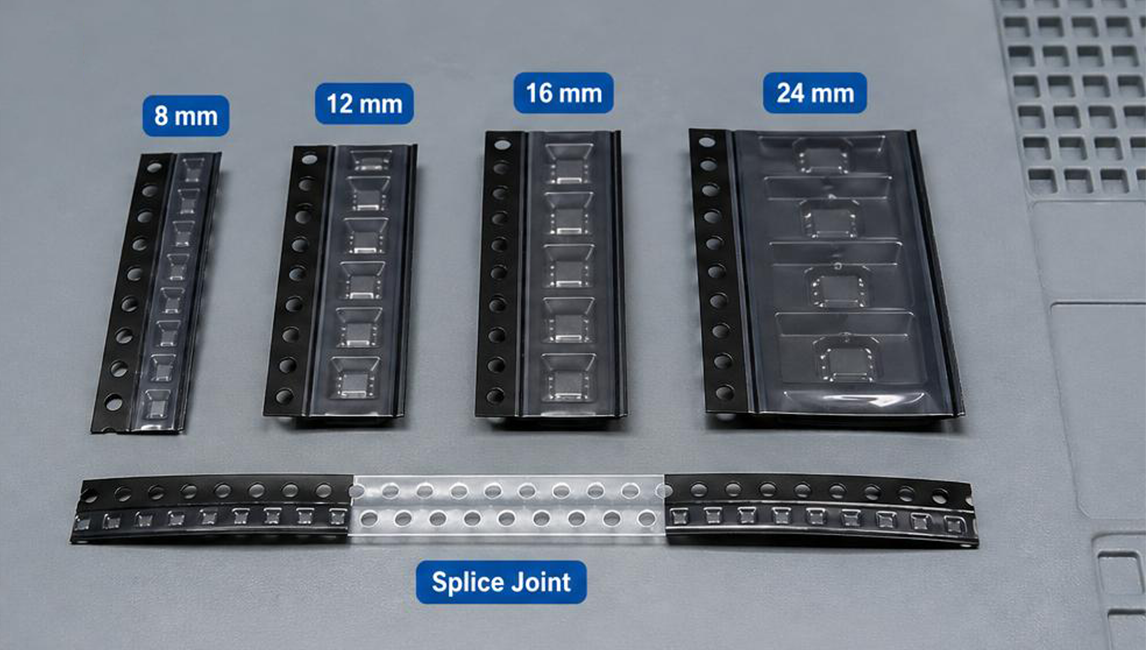
Raw cut tape may look cheaper on a spreadsheet, but lost components, feeder issues, and manual handling costs often make it more expensive on the line.
Read article

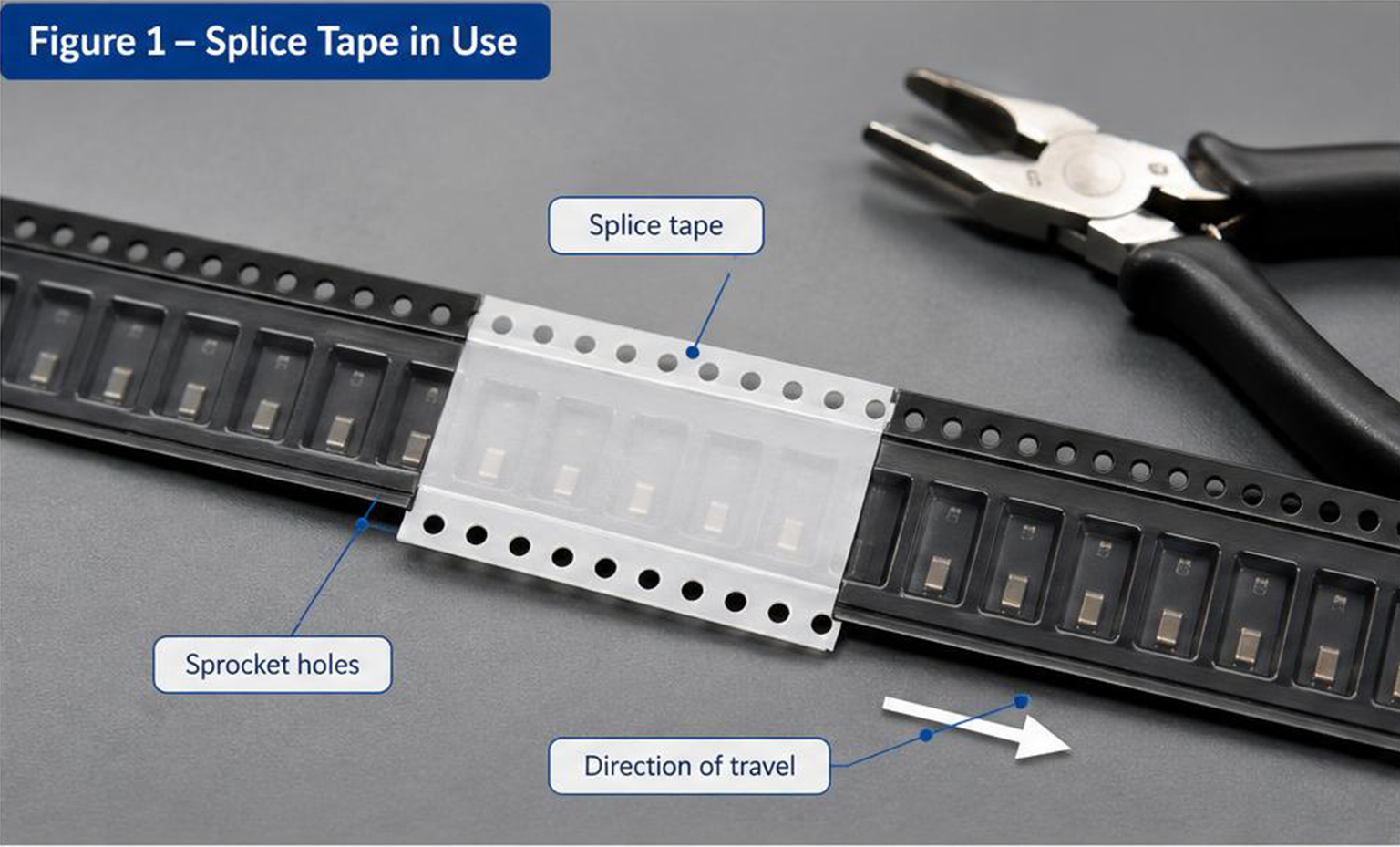
Raw cut tape may look cheaper on a spreadsheet, but lost components, feeder issues, and manual handling costs often make it more expensive on the line.
Read article
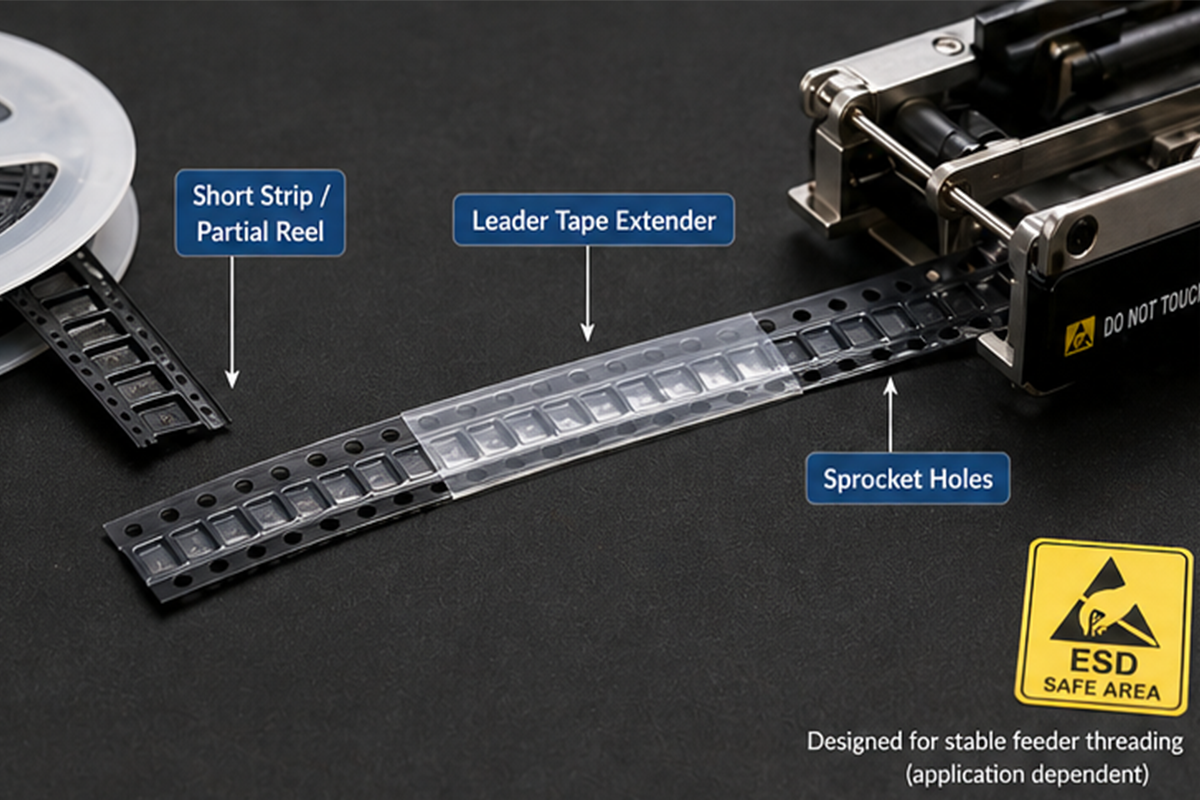
High-temperature tape selection depends on peak temperature, substrate, dwell time, and residue requirement, not just a single temperature number.
Read article
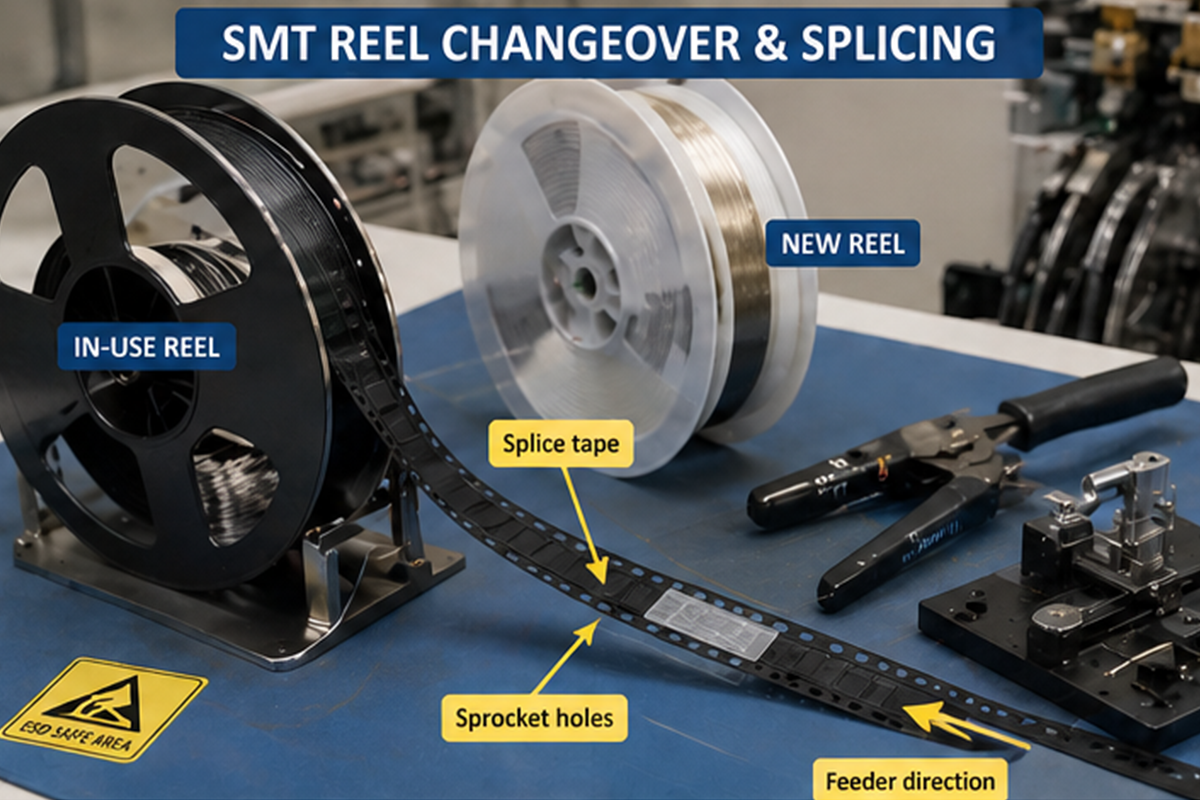
SMT splice tape is designed to join carrier tape tails and reel heads with stable alignment, low thickness, and feeder-friendly pass-through.
Read article
Leader tape extenders create a feeder-friendly virtual leader so partial reels and short strips can be loaded with less startup waste and fewer jams.
Read article
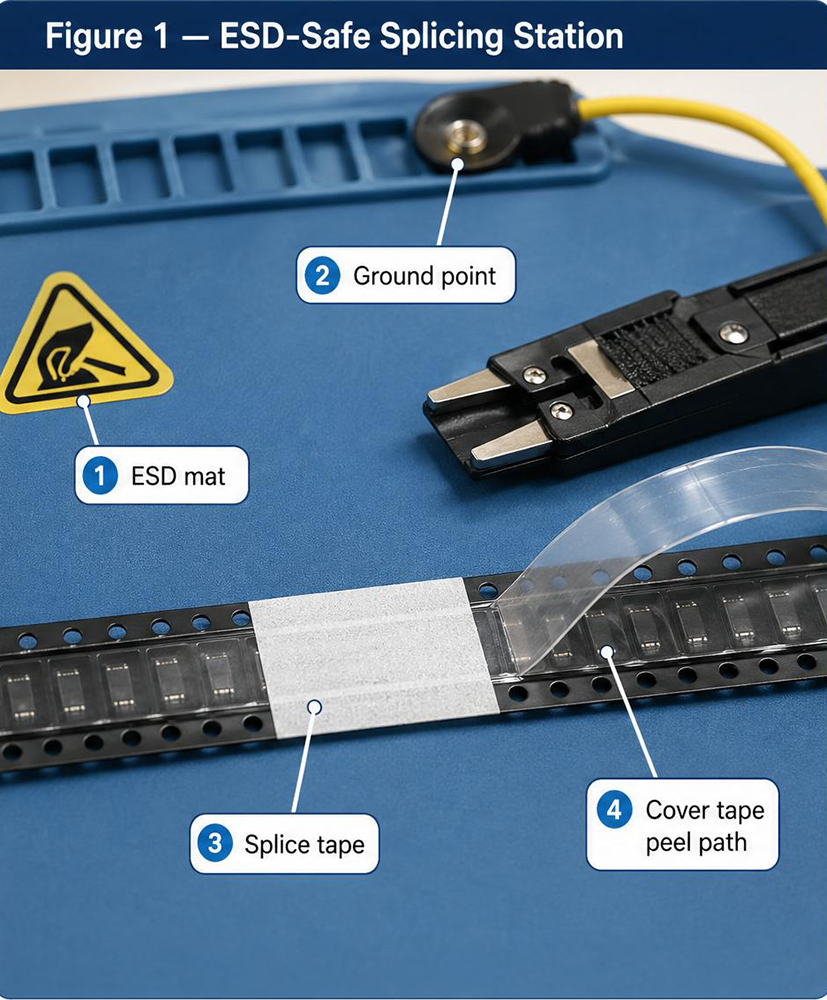
Electrostatic events often happen during manual reel handling, so ESD-safe splice tape and controlled operator practices are critical during changeovers.
Read article
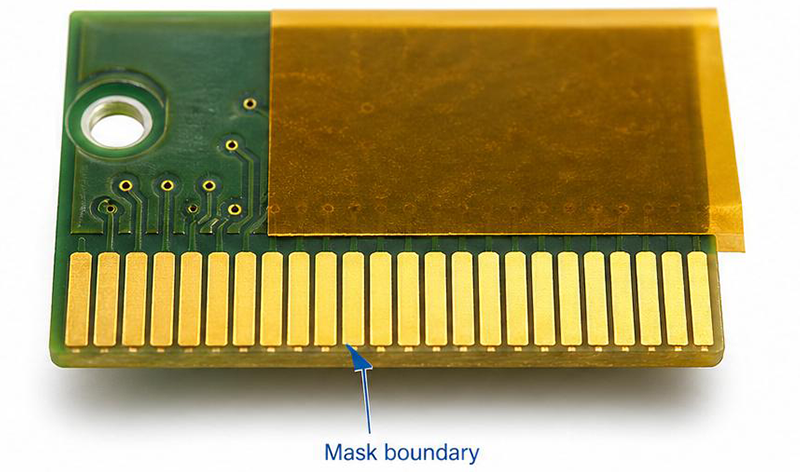
Gold finger masking needs accurate width, stable adhesion, clean removal, and reflow-safe thermal performance to avoid residue and edge lift.
Read article
Most reel change problems come from alignment, leader preparation, splice thickness, or handling variation rather than from the feeder alone.
Read article
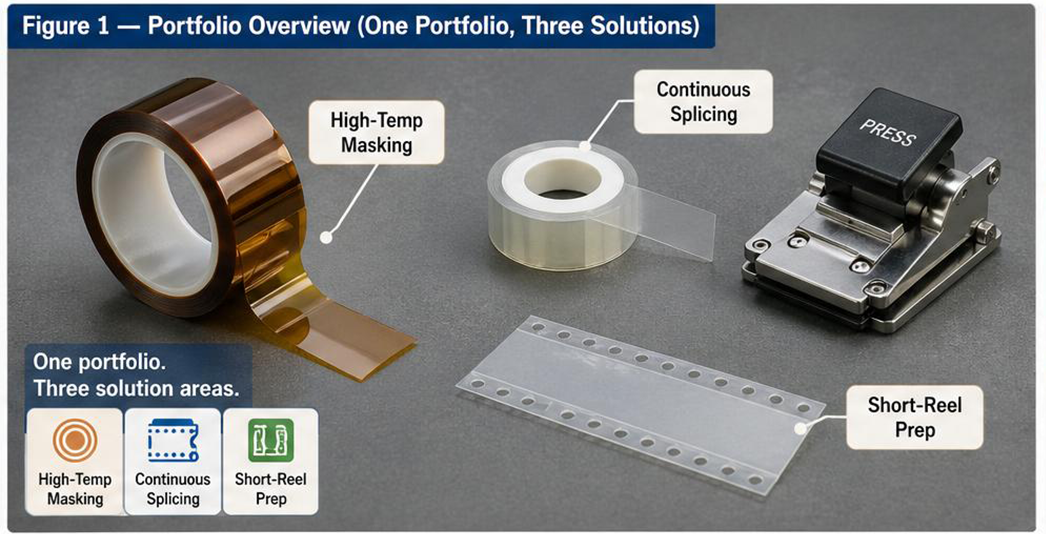
FUNSMT continues expanding beyond splice tapes into broader line-support materials used in reel handling, masking, storage, and maintenance.
Read article
Feeder jams after splicing usually trace back to thickness buildup, misalignment, poor adhesion, or a rough transition through the splice zone.
Read article
Selecting splice tape correctly means matching carrier width, pitch, material type, and feeder constraints before the PO is placed.
Read article